


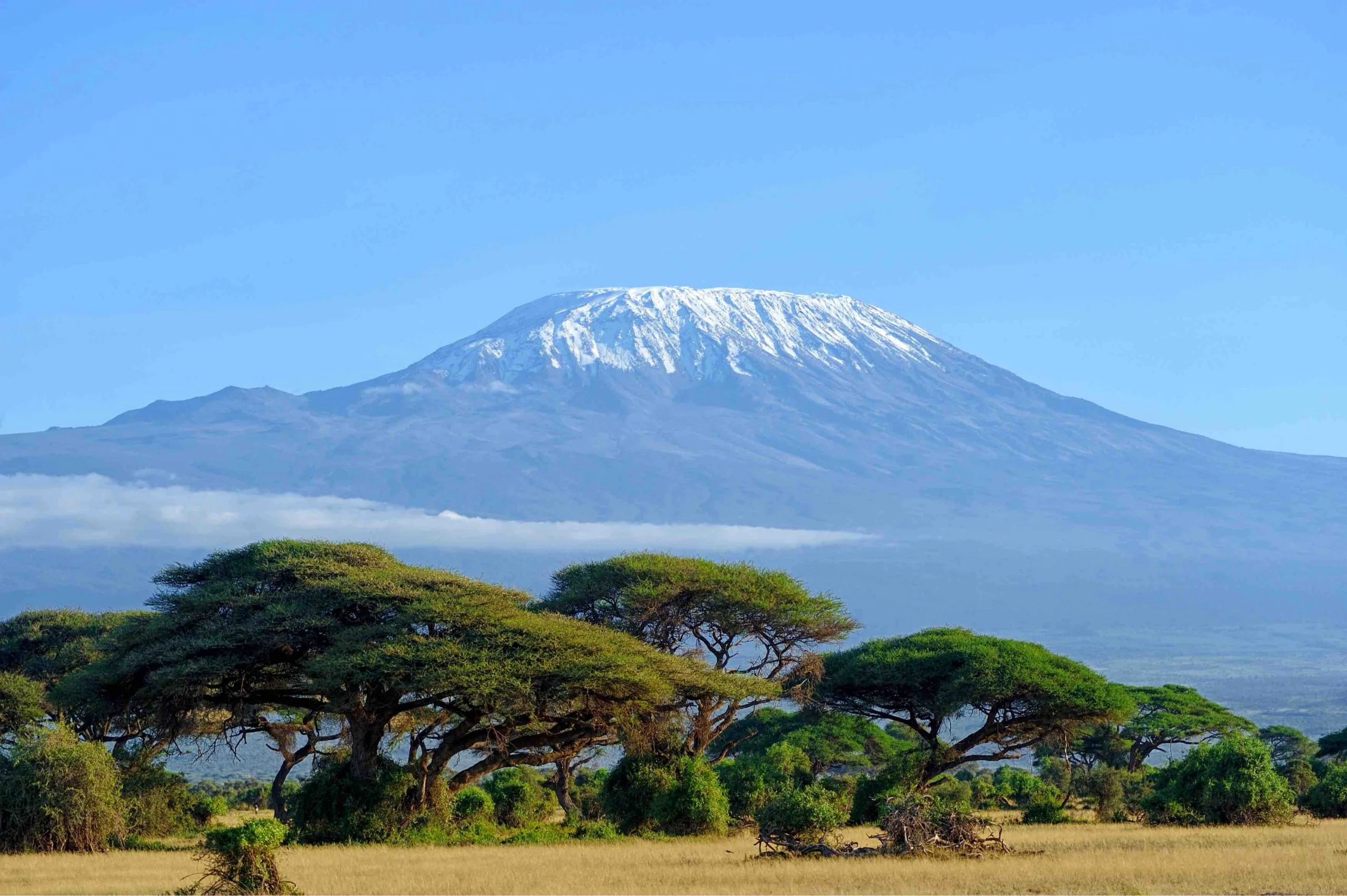
Kilimanjaro Climbing: A Lifetime Adventure
Mount Kilimanjaro, the tallest mountain in Africa, stands majestically at 5,895 meters (19,341 feet) above sea level. Its snow-capped peak and diverse ecosystems attract thousands of adventurers from around the world each year. Whether you're a seasoned mountaineer or a novice climber, Kilimanjaro climbing offers a unique and unforgettable experience.
How Long Does It Take to Climb Kilimanjaro?
The duration of a Kilimanjaro climb depends on the route chosen and the climber's acclimatization schedule. Here are the average times for the most popular routes:
- Marangu Route: 5-6 days
- Machame Route: 6-7 days
- Lemosho Route: 7-8 days
- Rongai Route: 6-7 days
- Northern Circuit Route: 8-9 days
It's recommended to opt for longer itineraries to allow for better acclimatization, increasing the chances of reaching the summit successfully.
How Hard Is Climbing Kilimanjaro?
Kilimanjaro climbing is a non-technical ascent, meaning it doesn't require mountaineering skills or equipment like ropes and harnesses. However, the climb is physically demanding due to the high altitude and varying weather conditions. The difficulty can be categorized as follows:
- Beginner Climbers: While no prior climbing experience is necessary, it's crucial for beginners to prepare physically and mentally. A good fitness level, stamina, and determination are key to tackling the challenges posed by the altitude and long trekking hours.
- Expert Climbers: Experienced climbers will find Kilimanjaro challenging yet achievable. The main challenge remains the altitude, and even seasoned climbers should focus on proper acclimatization and pacing themselves.
Essential Tips for Beginner Climbers
- Training and Preparation: Begin a fitness regimen that includes cardio, strength training, and hiking with a loaded backpack. This prepares your body for the demands of Kilimanjaro climbing
- Acclimatization: Choose a longer route to give your body ample time to adjust to the altitude. Follow the "climb high, sleep low" principle to minimize altitude sickness.
- Gear and Equipment: Invest in quality gear, including layered clothing, a sturdy backpack, a good sleeping bag, and reliable trekking boots. Proper gear enhances comfort and safety during the climb.
- Hydration and Nutrition: Stay hydrated and maintain a balanced diet. Carry high-energy snacks to keep your energy levels up during long trekking days
- Mental Preparation: Stay positive and determined. The mental challenge can be as significant as the physical one, so keep your goal in sight and stay motivated.
Tips for Expert Climbers
- Altitude Management: Even for experienced climbers, altitude can pose significant challenges. Respect Kilimanjaro's elevation and acclimatize properly.
- Advanced Routes: Consider the more remote and less traveled routes like the Northern Circuit for a more challenging and secluded experience.
- Support Local Guides: While you may have advanced skills, local guides bring invaluable knowledge about the mountain, weather patterns, and best practices for a safe ascent.
- Environmental Responsibility: Adhere to Leave No Trace principles to preserve Kilimanjaro's natural beauty. Respect local customs and contribute to sustainable tourism.
Kilimanjaro climbing is an extraordinary journey that offers breathtaking views and a profound sense of achievement. Whether you're a beginner or an expert, thorough preparation and respect for the mountain are essential for a successful ascent. With the right mindset and proper planning, standing on the Roof of Africa is an attainable dream. Embark on your Kilimanjaro adventure and create memories that will last a lifetime.
Happy climbing
